
A small randomized controlled trial was conducted separately to explore the effects of combining GHK-Cu with minoxidil compared to using minoxidil alone in women experiencing female pattern hair loss. For individuals experiencing mild to moderate hair thinning — it is likely that topical GHK-Cu with optimized delivery offers adequate local efficacy. Therefore (let’s distinguish between what is plausible and what is proven), maintain a cosmetic perspective, and openly address the areas where scientific research has not yet aligned with marketing claims.
One small collagen-biopsy comparison reported within review articles showed GHK-Cu increasing collagen in more participants than vitamin C or retinoic acid creams — but that is a single small study, not a replicated head-to-head. Retinoids have a far larger, more rigorous body of controlled dermatology trials. As a topical cosmetic ingredient — GHK-Cu has long been used in skincare. It is unapproved and essentially unstudied for efficacy in humans. The findings are biologically encouraging but do not establish that GHK-Cu regrows hair the way finasteride or minoxidil have been studied. The honest position is that systemic GHK-Cu in humans is essentially unstudied for efficacy — and the burden of proof has not been met.
Every article links directly to the original published research. (2021), most patients see measurable improvements within 3–6 months of consistent use, with continued improvement up to 12 months. The gene expression changes documented in this review shift gene activity toward a healthier, younger pattern rather than creating abnormal activity. For hair growth specifically, combining topical GHK-Cu with microneedling is supported by the strongest evidence, as shown in the 2025 Kuceki study which achieved 26.5% regrowth with this combination approach. The review suggests their effects may be comparable — and because they use different mechanisms, combining them could provide additive benefits.
Given that GHK-Cu has a remarkably extensive body of literature regarding skin regeneration (wound healing), and antioxidant buy MOTS-c chemistry, its findings are analogously extended to hair in serum marketing. The accumulation of copper in the body presents a genuine concern, even when considering a naturally occurring peptide such as GHK-Cu. Its most well-documented effects are related to antioxidant activity in the skin, wound healing, and signaling associated with collagen.
The scalp microbiome, including species such as Cutibacterium acnes and Malassezia species, influences the inflammatory environment of the follicular unit. Pickart’s original observation that plasma GHK levels correlate with tissue repair capacity suggests this is a worthwhile research question, but it remains in the realm of hypothesis for now . Most published trials are small — of short duration (12 to 24 weeks), and funded by industry partners with commercial interests in the outcome. The absence of large (phase III-equivalent randomized controlled trials means that precise dosing guidelines), optimal formulation characteristics, ideal treatment frequency, and long-term durability of effect have not been rigorously established in human subjects. The clinicians achieving the most meaningful results understand hair loss as a multifactorial condition requiring a layered approach — GHK-Cu has a defined mechanistic role in that stack, but it cannot do the job alone. By tempering mTORC1 activity (topical rapamycin appears to preserve the stem cell pool in the follicular bulge), extending the regenerative lifespan of the follicle.
Why a Personalized Approach Matters

Hair grows slowly — roughly half an inch per month — and follicle cycling changes take weeks to manifest as visible density changes. For scalp hair specifically, topical delivery is probably the better-studied approach — and the more targeted one. In androgenetic alopecia , the pattern hair loss most people are dealing with,, follicles progressively miniaturize and spend more time in telogen and less in anagen.
Injectable GHK-Cu for hair (scalp mesotherapy)
This biological narrative clarifies why the inquiry “what does GHK-Cu do” can yield multiple simultaneous answers. A review from 2020 concerning GHK as an anti-aging peptide indicates that the average plasma GHK level is approximately 200 ng/mL at the age of 20 and roughly 80 ng/mL by age 60. Under the preferred name prezatide copper, the FDA’s substance registry includes it, along with synonyms like copper tripeptide-1 and GHK complex with copper.
Three residues. Copper changes the material being studied.
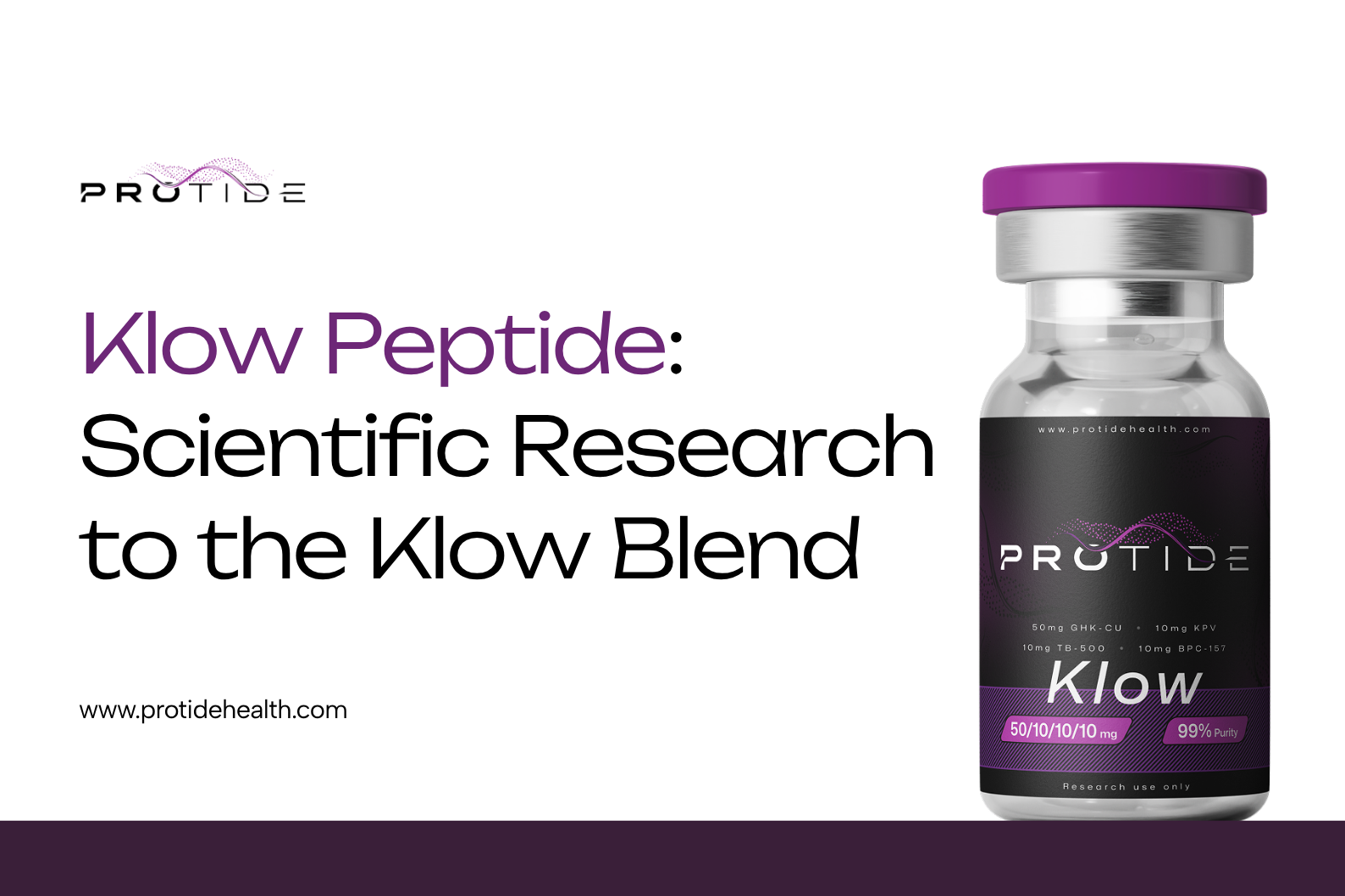
Many patients require several months of regular usage before they notice significant changes. Potential risks encompass infection (errors in dosing), contamination, and unforeseen long-term systemic consequences. Topical Serums (0.1%–2% Concentration) are the better-studied route for hair applications. Topical formulations were employed in the hair clinical trials, allowing for concentrated delivery at the follicle level on the scalp. Typically, side effects are confined to mild irritation of the scalp. Individuals investigating peptide options gain advantages from the clear delineation provided. It functions through regenerative pathways that align with established treatments, making it most suitable as part of a comprehensive hair restoration strategy.
Some conditions respond poorly to copper peptides. Extended telogen and shortened anagen contribute to thinning over time. The timeline for peptide results varies by compound and goal, but hair restoration follows predictable patterns. Clinical studies examining combination approaches document improvements exceeding any single treatment.
VEGF Upregulation & Scalp Angiogenesis
It is also studied for hair growth and (less often), injected in regenerative research. It supports skin and tissue repair, mainly by changing the activity of repair-related genes. The regulatory picture is moving, and it is moving one compound at a time. Retinoids act through retinoic acid receptors and speed cell turnover; GHK-Cu works through repair-gene activity and collagen.

Severe scarring conditions may require additional specialist approaches. GHK-Cu can be paired with minoxidil (laser therapy), or other approaches to address multiple mechanisms; consult a provider to design a tailored plan. GHK-Cu is generally well tolerated; most reports note only mild, transient irritation at the application site. GHK-Cu , Glycyl-L-Histidyl-L-Lysine Copper, is a naturally occurring peptide that supports hair growth by activating signaling pathways in follicle cells, increasing proliferation and differentiation, promoting anagen, and improving the scalp environment via collagen and anti-inflammatory effects.
A natural peptide sequence, a blue hue, or a significant percentage of chromatographic area cannot resolve those queries. A biochemical study observed the inhibition of ferritin-dependent iron release and lipid peroxidation, with insignificant activity resembling superoxide dismutase. They do not prove that an individual biologically ages backward or that a product rejuvenates stem cells throughout the body. Research on Copper-GHK within keratinocytes and reconstructed skin assessed markers related to proliferation, such as integrins and p63. These findings originate from cell models and do not imply that increased material leads to greater benefits.
Commentaires récents